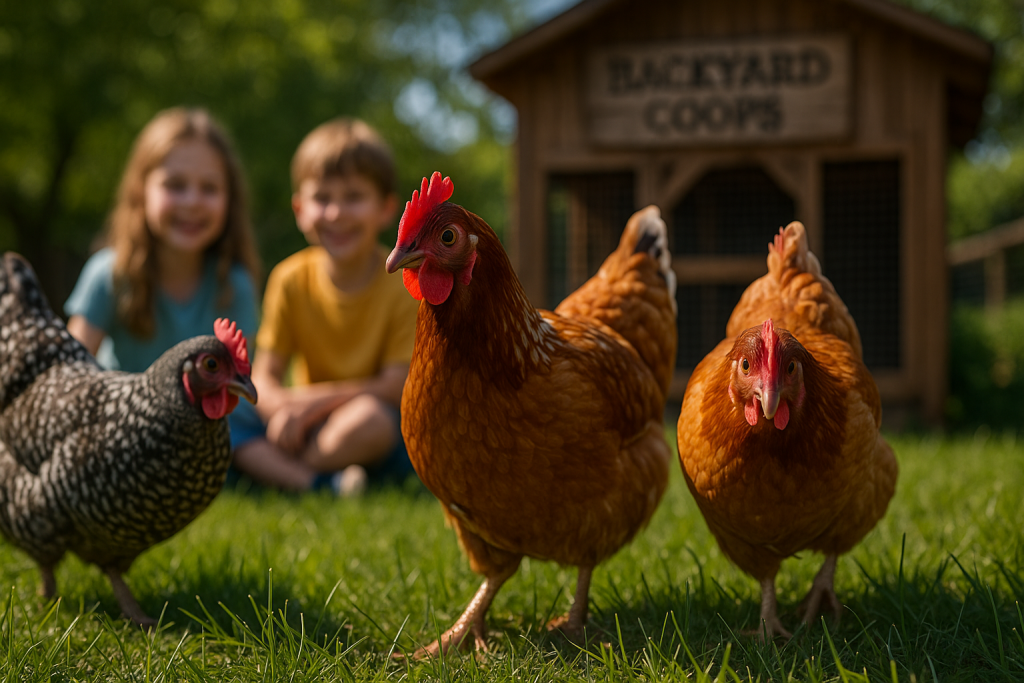
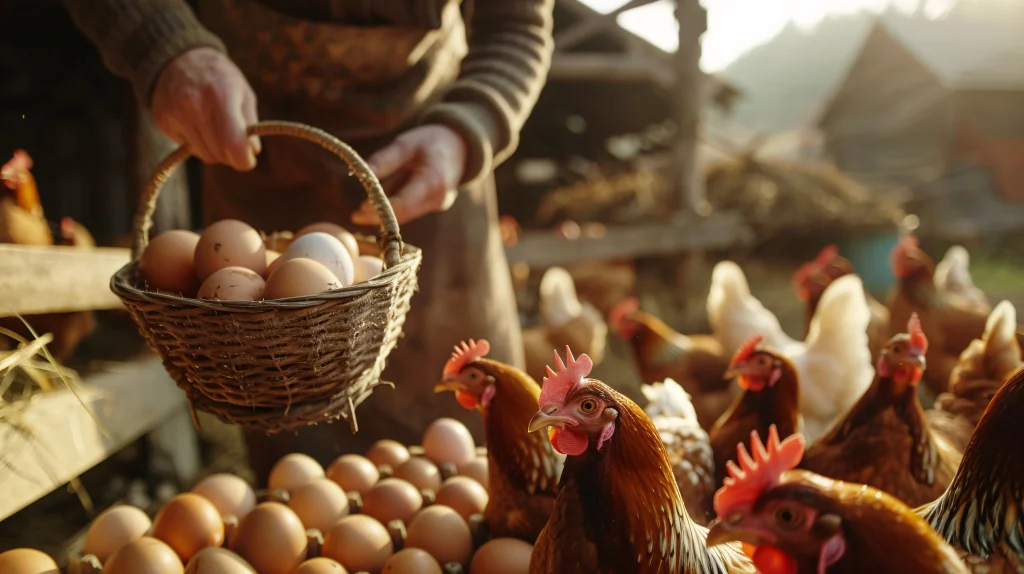
If you are looking for the exact calculations and a guide to know how many chickens you would need to fulfill your household needs, then you are at the right place. Are you thinking of getting chickens for your backyard? Keeping chickens in your backyard is a tiny but gratifying investment that gives you fresh eggs, short food miles, and an unexpected link to seasonal life. This article talks about how to raise chickens for eggs, establishes reasonable goals, and gives you valuable tips to make the first year easy and fun. We provide you with the correct guided information for your backyard chicken-keeping journey.
Why Chick & Nest fits modern backyard chicken keeping
Chick and Nest would bring revolution in the chicken coops business and will do wonders. Chick & Nest combines innovative hardware and steady service for a smart tech-powered Coop for 24/7 monitoring plus subscription deliveries of organic feed and bedding. That combination reduces clutter and keeps birds on a consistent diet and schedule, a huge help for new keepers who need reliable results without full-time farming. Backyard chicken keeping is well-suited for small yards with innovative design.
Understanding the egg-laying cycle
Before calculating and getting to the conclusion of how many hens you need, you have to understand the biological process and factors affecting it. Her reproductive clock controls a hen’s reproductive cycle. Ovulation in hens occurs typically every 24 to 26 hours; therefore, a healthy hen produces one egg per day at peak. Because their internal clock changes a little bit every day, hens often lay eggs in a clutch pattern, take a little pause, and then start laying eggs again. The rhythm is affected by breed, diet, length of day, and stress. Backyard chicken keeping thrives on steady routines more than time.
How many eggs per chicken should you expect?
The number of eggs produced by each breed and management style varies. For backyard flocks, a good amount of eggs per productive hen per year is between 200 and 240. However, commercial layers and high-output hybrids can lay more eggs per year. Most chickens lay the most eggs in the first two years, then slow down during the moult, and then slowly stop laying eggs as they become older. Plan around 200 eggs every year as a safe number.
Practical checklist: daily and weekly habits
To obtain an adequate number of eggs, it is essential to maintain the feed and habits of hens for improved production and optimal laying. Below are some routine habits and a checklist to maintain throughout your backyard chicken-keeping journey.
Daily: fresh water, check feeders, quick health glance, and egg collection.
Weekly: clean waterers, top bedding as needed, and inspect the coop for wear or predator access.
Small, consistent rituals prevent most egg losses and keep birds calm. These habits are the backbone of successful backyard chicken keeping.
Top coop features that matter.
Maintenance and features that improve the quality of life for hens in your backyard are essential for optimal egg-laying performance in chickens. Make sure your hardware cloth is predator-proof, your droppings trays are easy to clean, your roosts are safe, and your nest boxes are easy to get to. Automatic doors are not required, although they do help cut down on losses at night. Pick features that make tasks easier and keep birds safe, and you’ll see more consistent laying and fewer surprises.
Starter plan: first 90 days
Month 0: set up the coop, collect tools, and order feed.
Month 1: Establish routine feed, water, and short health checks.
Month 2–3: transition pullets to layer feed as eggs appear, add oyster shell for calcium, and begin tracking egg counts. A simple 30–90 day routine sets the tone for the flock’s long-term health.
Planning flock size: a short calculator
If your family eats one dozen eggs a week (12 × 52 = 624 eggs/year), three hens that each lay 200 eggs a year will only provide you 600 eggs a year. Four chickens produce 800 eggs a year at the same pace, which gives you a nice cushion for broken eggs or slow months. These little amounts make it easy to pick the correct size flock for your needs. Taking care of backyard chickens pays off in food and water.
Seasonal realities: light and molt
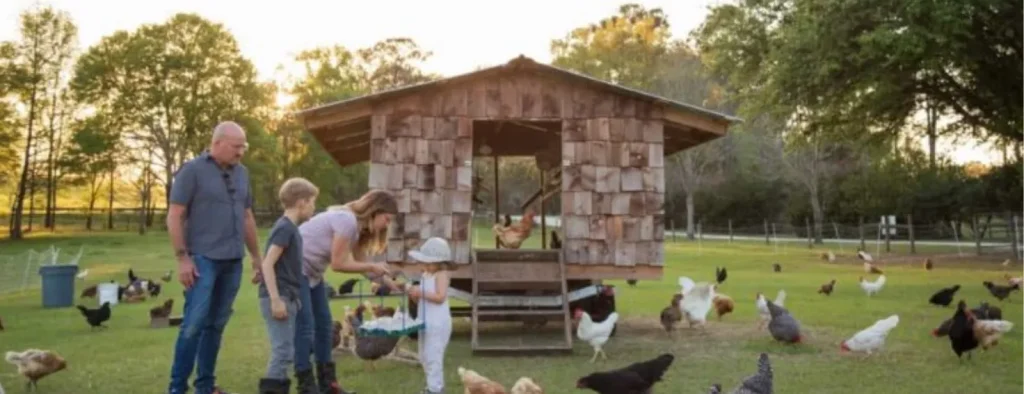
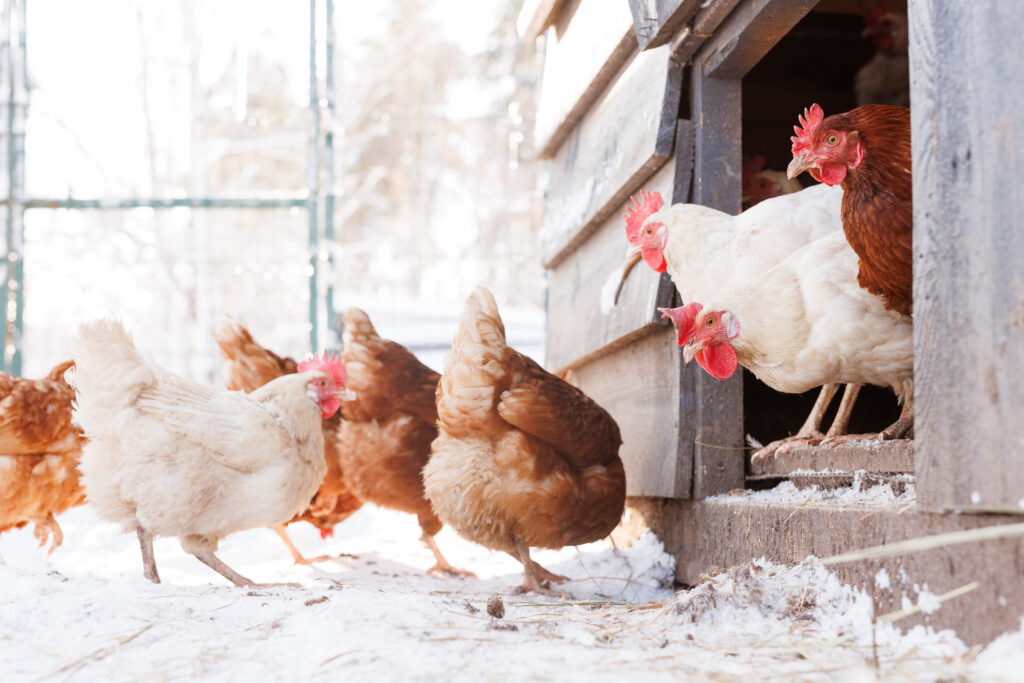
Hens lay the most eggs when they receive 14 to 16 hours of sunlight a day. During the winter season, egg production typically slows down on average due to changes in weather and environment. Egg production typically slows down in the winter. Many chicken owners add a small timed light to keep things stable. During moulting, when chickens are developing new feathers instead of laying eggs, you will also see a decline. Extra light can be helpful, but nothing beats having access to clean water, adequate food, and a calm place to live. Keeping chickens in the backyard is a pleasant family pastime that kids love.
Money and convenience: Does backyard chicken keeping save you money?
Upfront costs for coop and fencing are the most significant single expense. Feed and bedding are recurring. Cost effectiveness and productivity in backyard chicken keeping business depend on dependable factors such as durability of materials and reliability of chicken coops. They benefit from economical egg production at home. Subscription services or rental programs can reduce the initial barrier and provide a helpful onboarding experience.
Backyard chicken keeping involves practical efforts, maintenance, and monitoring to achieve better production and sustainability.
Common problems and how to fix them
Soft shells: add free-choice calcium and check for stress.
Egg pecking: Collect eggs frequently and make nests private.
Low production: check feed quality, water access, and daylight.
Predators: reinforce the run and upgrade latches. Most small problems have simple, proven fixes.
Choosing breeds: eggs vs. personality
Breed choice matters. Some breeds are relentless layers (think commercial hybrids and Leghorns), while others are steady but slower and often calmer around kids. If you want a family flock that is friendly and consistent, pick dual-purpose or well-known backyard-friendly breeds; they typically balance temperament with respectable egg output. Match breed characteristics to your goals: colorful eggs, high production, or quiet behavior. For many keepers, mixing a couple of steady layers with a calm heritage bird gives the best mix of temperament and output.
Feeding strategy: keep it simple and effective
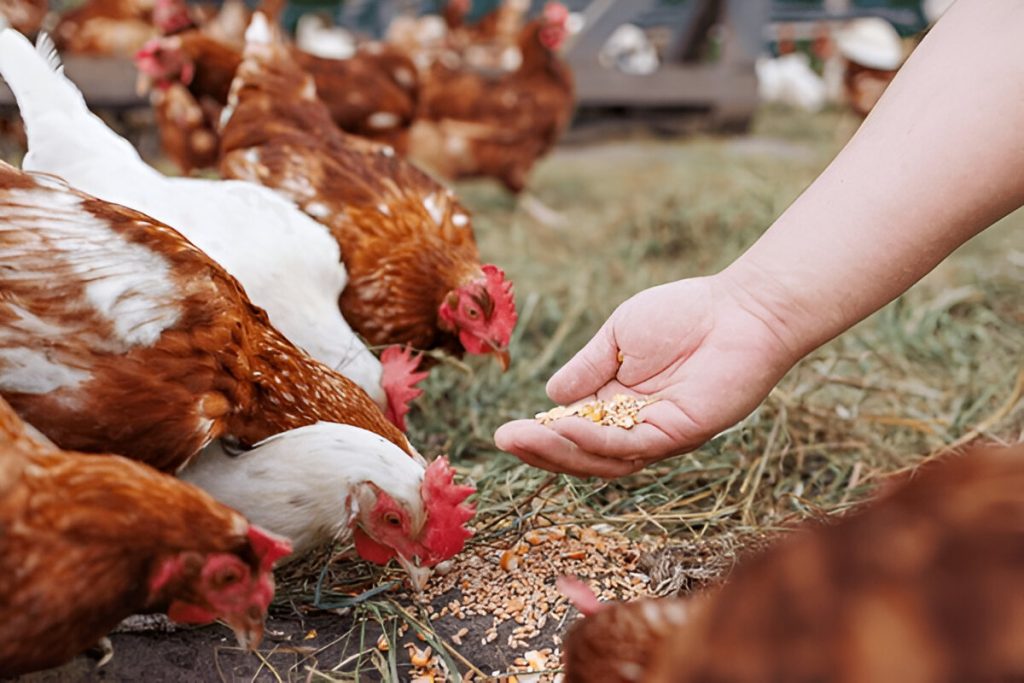
Layer feed should be the base of your birds’ diet once they begin laying eggs. Moderation in feed is effective for the betterment of backyard chicken keeping, yet not ignoring a balanced feed. Provide oyster shell free-choice for calcium and grit for birds that eat whole grains or table scraps. Keep feed dry and in sealed containers to avoid waste and rodents. For busy families, a subscription to measured feed deliveries can keep nutrition consistent without last-minute trips to the store, an easy way to make backyard chicken keeping low-stress.
Coop placement and run design
Place the coop where it stays dry, gets morning sun, and has good airflow. Avoid low spots that puddle. A shaded run provides hens, a comfortable environment in summer. If you have raised coops, they helps with drainage and pest control. Small design choices, such as a sloped roof, screened ventilation ridge, or covered nesting area, can dramatically reduce maintenance. Thoughtful design equals happier hens and more eggs, which is the practical heart of backyard chicken keeping.
If you have a plan ahead of time, backyard chicken keeping will be easier.
Final notes: start small, learn fast
In conclusion, you should start with two to four chickens, a sturdy coop, and a feeding and routine schedule. In the first 2-3 months, you have to maintain and monitor eggs and adjust nutrition, space, and illumination. Backyard chicken raising is hands-on but not heroic; a few wise decisions result in consistent eggs, healthier birds, and plenty of quiet satisfaction. Chick & Nest’s SmartCoop and subscription approach might make the first year easier for busy families.